Posted on 6/26/2026
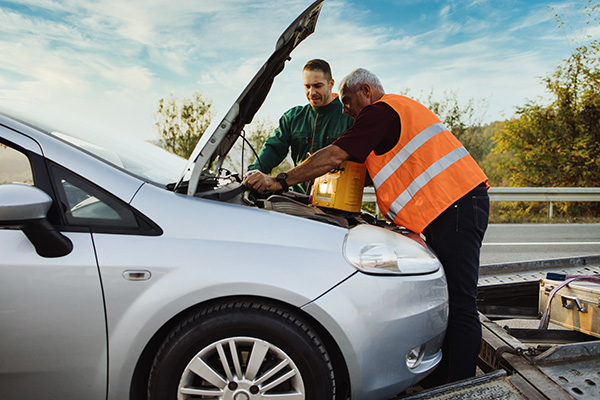
Some car problems leave room to make a careful plan. Others mean the safest choice is to stop driving and get help. The hard part is knowing the difference while you are sitting on the side of the road, watching a warning light, smelling something odd, or trying to decide whether the car can make it a few more miles. Driving farther with the wrong breakdown can turn a repairable problem into major damage. It can also put you, your passengers, and other drivers at risk. When the vehicle is clearly telling you it should not keep moving, calling for a tow is the smarter decision. 1. The Engine Is Overheating An overheating engine should not be pushed down the road. If the temperature gauge climbs into the danger zone, a warning appears on the dashboard, or steam comes from under the hood, the engine is already too hot. Continuing to drive can damage the head gasket, cylinder head, seals, and internal engine parts. Turning the heater on or topping off coolant might hel ... read more
Posted on 5/29/2026
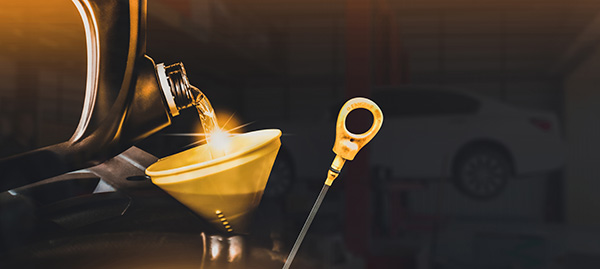
Oil choices can feel more confusing than they should. You pull into the shop or look at the service menu, and suddenly you are comparing synthetic oil, synthetic blend oil, and conventional oil, along with mileage intervals and price differences. Most drivers want to know which one is right for their engine. The answer depends on the vehicle, how it is driven, and the manufacturer's recommendations. Synthetic and synthetic blend oils both protect the engine, but they are not the same product. What Synthetic Oil Is Synthetic oil is engineered to provide more consistent protection than conventional oil. It is made with refined base oils and additives designed to better withstand heat, cold starts, friction, and contamination. That makes it a strong choice for many modern engines. Synthetic oil flows well during startup and holds up better under high temperatures. That is especially useful for engines with turbochargers, tighter internal clearances, variable valve ... read more
Posted on 4/30/2026

Finding a repair shop you trust is not always easy. Once you find one that communicates clearly and fixes problems the right way, you stick with it. That is why growth from a shop you already trust can make a real difference. Expanding into new areas allows more drivers to access the same level of service without having to travel far or start over with a new shop. What Expansion Means For Local Drivers When a repair shop expands from one city to another, it is not just about adding a second location. It is about bringing the same standards, approach, and service experience to a new group of drivers. For drivers in Dallas, GA, that means access to a shop with an established process. Instead of guessing where to go, there is a clear option built on experience and consistency. Why Consistency Across Locations Is Important One concern drivers sometimes have with multi-location shops is whether the service will feel the same everywhere. That comes dow ... read more
Posted on 3/27/2026

A lot of safety features fade into the background because they work quietly. You use the car every day, everything feels normal, and it is easy to stop thinking about what is protecting you until one of those systems suddenly is not there when you need it. That is usually when drivers realize how much they were depending on it. Anti-Lock Brakes Anti-lock brakes help you keep steering control during hard stops by preventing the wheels from locking up. That matters most in rain, during panic braking, or when traffic changes faster than expected. Without ABS working properly, the car is much easier to slide instead of steer. Many drivers only think about ABS when the warning light comes on. The truth is, if the system is not working, the car may still stop, but it will not respond the same way in an emergency. Tires With Good Tread Tires are not always considered a safety feature, but they absolutely are. Good tread is what gives the car grip in rai ... read more
Posted on 2/27/2026
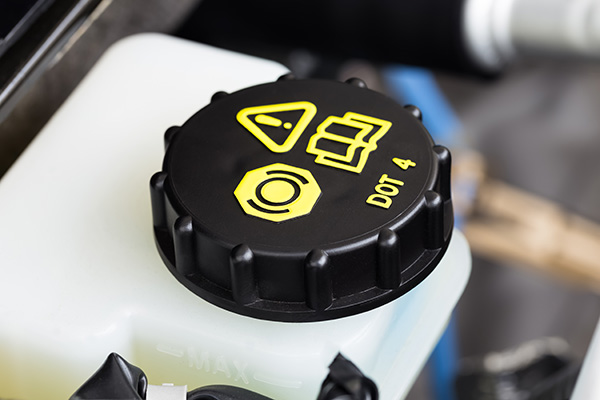
Brake fluid is one of the most overlooked fluids on the car, mostly because you do not see it getting used. Your brakes still stop the car, the pedal still feels normal, and it is easy to assume everything is fine. The problem is that brake fluid changes slowly over time, and moisture is the big reason why. A brake fluid moisture test is meant to answer a simple question: has the fluid absorbed enough water to warrant replacement? It is a quick way to catch a hidden problem before it affects braking feel or starts wearing out expensive hydraulic parts. Why Moisture In Brake Fluid Is A Problem Brake systems rely on hydraulic pressure, which means fluid has to behave consistently when it is hot and when it is cold. When moisture builds up, the fluid's boiling point drops. That matters because hard braking creates heat, and heat is what exposes weak fluid. Moisture also encourages corrosion inside brake lines, calipers, and ABS components. You might not feel that ... read more