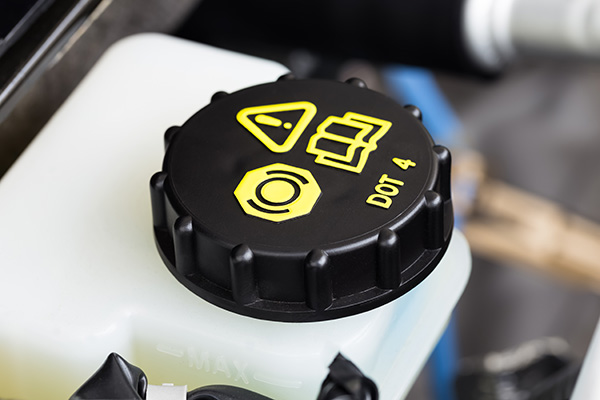
Brake fluid is one of the most overlooked fluids on the car, mostly because you do not see it getting used. Your brakes still stop the car, the pedal still feels normal, and it is easy to assume everything is fine. The problem is that brake fluid changes slowly over time, and moisture is the big reason why.
A brake fluid moisture test is meant to answer a simple question: has the fluid absorbed enough water to warrant replacement? It is a quick way to catch a hidden problem before it affects braking feel or starts wearing out expensive hydraulic parts.
Why Moisture In Brake Fluid Is A Problem
Brake systems rely on hydraulic pressure, which means fluid has to behave consistently when it is hot and when it is cold. When moisture builds up, the fluid's boiling point drops. That matters because hard braking creates heat, and heat is what exposes weak fluid.
Moisture also encourages corrosion inside brake lines, calipers, and ABS components. You might not feel that damage right away, but it can lead to sticking calipers, uneven braking, or costly component failures later. This is one of those cases where the fluid itself is cheap, but the parts it protects are not.
What A Brake Fluid Moisture Test Measures
Most moisture tests measure the water content of the brake fluid. Some shops use electronic testers, while others use test strips that react to the fluid’s condition. Either way, the goal is to estimate how far the fluid has drifted from healthy.
The number matters because it ties directly to heat resistance. Higher moisture content means the fluid can boil at a lower temperature. Once fluid starts to boil, you can get compressible vapor in the system, and that can make the pedal feel soft or inconsistent.
How Moisture Gets Into A Sealed System
Brake systems feel sealed, but brake fluid is hygroscopic, which means it naturally absorbs moisture from the air. Over time, tiny amounts of water get in through rubber hoses, seals, and even around the reservoir area. It does not take a visible leak for moisture to build up.
Temperature swings speed this up. Hot days, cold nights, and humid weather create conditions where moisture can be pulled into the fluid gradually. That is why two cars with the same mileage can have very different brake fluid conditions depending on climate and driving habits.
Signs Your Brake Fluid May Be Compromised
A moisture test is helpful because fluid can be in bad shape without obvious symptoms. Still, there are a few clues that show up more often when fluid is old or contaminated. A brake pedal that feels a little softer during repeated stops is one example, especially after a long downhill or heavy traffic.
Another clue is a pedal that feels fine most of the time but gets less consistent when the brakes are hot. Some drivers also notice braking feels slightly less sharp, even with good pads and rotors. Our technicians also pay attention to fluid color, because very dark fluid can hint at age and internal wear, even though color alone does not tell the whole story.
What The Results Mean And What Happens Next
Moisture readings are usually treated as a maintenance threshold. If the reading is low, the fluid is likely still doing its job well. If the reading is high, a fluid exchange is recommended to restore the boiling point and reduce corrosion risk.
This is also where an inspection makes sense, because you want to know why the fluid got to that point. If the fluid is very degraded, it is smart to look for any seepage at calipers, hoses, or fittings, and to confirm the rest of the braking system is in good shape. We have seen cases where moisture content was the first clue that other brake components were aging too.
How To Reduce Moisture And Protect Braking Parts
The best protection is replacing brake fluid at reasonable intervals instead of waiting for a symptom. It is part of regular maintenance that many people skip because it does not feel urgent. Staying ahead of it keeps the system cleaner inside and helps expensive components last longer.
It also helps to avoid opening the brake reservoir unnecessarily. Brake fluid absorbs moisture quickly once exposed to air, so topping off repeatedly without addressing the cause can make the situation worse. If the level is dropping, the right move is to fix the issue and then service the fluid properly.
Get Brake Fluid Moisture Testing In Marietta, GA With KLM Auto Center
If your brake fluid has not been checked in a while, the next step is booking a service so it can be tested and exchanged if needed.
Schedule service with KLM Auto Center in Marietta, GA, to keep your braking consistent and protect the hydraulic system parts that depend on clean, moisture-free fluid.